


Best Makeup Primer: How to Choose One for Your Skin Type

Primer is the step most people skip and then quietly blame for everything that goes wrong afterwards the foundation that slid off by lunch, the pores that looked bigger by mid-afternoon, the makeup that sat on top of the skin instead of melting into it. The truth is that primer isn't one product doing one job. Different primers solve different problems, and the best one for you depends entirely on what your skin actually does through the day.
This guide explains what primer does, how to match one to your skin type rather than to a marketing promise, and how to use it so it earns its place in your routine instead of gathering dust.
What Primer Actually Does
Primer sits between your skincare and your makeup, and it does two things. It smooths the surface of the skin so foundation glides on evenly rather than catching on texture, and it gives your makeup something to grip, so what you applied in the morning stays put for longer. Think of it as the difference between painting straight onto a rough wall and painting onto one that's been prepped first same paint, very different result.
Beyond those two core jobs, primers specialise. Some focus on controlling shine, some on adding hydration, some on blurring the look of pores and fine lines. That specialisation is exactly why “best primer” has no single answer the best one is the one that targets your particular problem.
Do You Actually Need a Primer?
Honestly, not everyone does, and it's worth saying so. If your foundation applies smoothly and still looks good at the end of the day, you can skip primer with a clear conscience. Primer earns its place when you have a specific problem it solves: makeup that slides or fades, shine breaking through by midday, pores or fine lines that foundation settles into, or dry patches that foundation clings to. If one of those sounds familiar, the right primer is one of the highest-impact changes you can make and it changes nothing about the foundation you already own.
How to Choose a Primer for Your Skin Type
Oily and combination skin
If shine is your main frustration, look for a mattifying primer designed to control oil and keep the T-zone shine-free for longer. These give makeup a dry, grippy base that resists the slide oily skin causes. For combination skin, you can apply a mattifying primer only where you get oily usually the forehead, nose and chin and leave the drier areas bare, so you're treating each zone for what it actually is.
Dry skin
Dry skin wants the opposite: a hydrating primer that adds moisture and smooths flaky texture, so foundation has a soft, even surface to sit on instead of gripping dry patches. If your makeup tends to look flaky or patchy by afternoon, a hydrating primer is usually the fix, because it stops the skin drinking moisture out of your foundation.
Mature skin
Mature skin benefits most from a smoothing or blurring primer that softens the look of fine lines and gives foundation a flexible base to move with. The goal is to stop makeup settling into lines, so a primer that hydrates and smooths at once tends to suit mature skin better than a heavily mattifying one, which can emphasise texture.

Skin with visible pores or uneven texture
If enlarged-looking pores are your concern, a blurring primer that visually smooths and minimises the appearance of pores gives foundation a more even canvas. Applied over the areas where pores show most usually the nose and cheeks it softens the surface before any foundation goes on.
Sensitive skin
Sensitive skin does best with a simple, comfortable primer and, as always, a patch test before the first full-face wear. Keep the routine minimal the fewer new products at once, the easier it is to identify the culprit if something does react.
Match the Primer to the Problem, Not the Hype
The single most useful habit when primer shopping is to name your problem first, then choose. If makeup slides, you want grip and longevity. If you shine, you want oil control. If you flake, you want hydration. If pores bother you, you want blurring. Buying a primer because it's popular, rather than because it solves your specific issue, is how primers end up unused — the popular one might be brilliant at a problem you don't have.
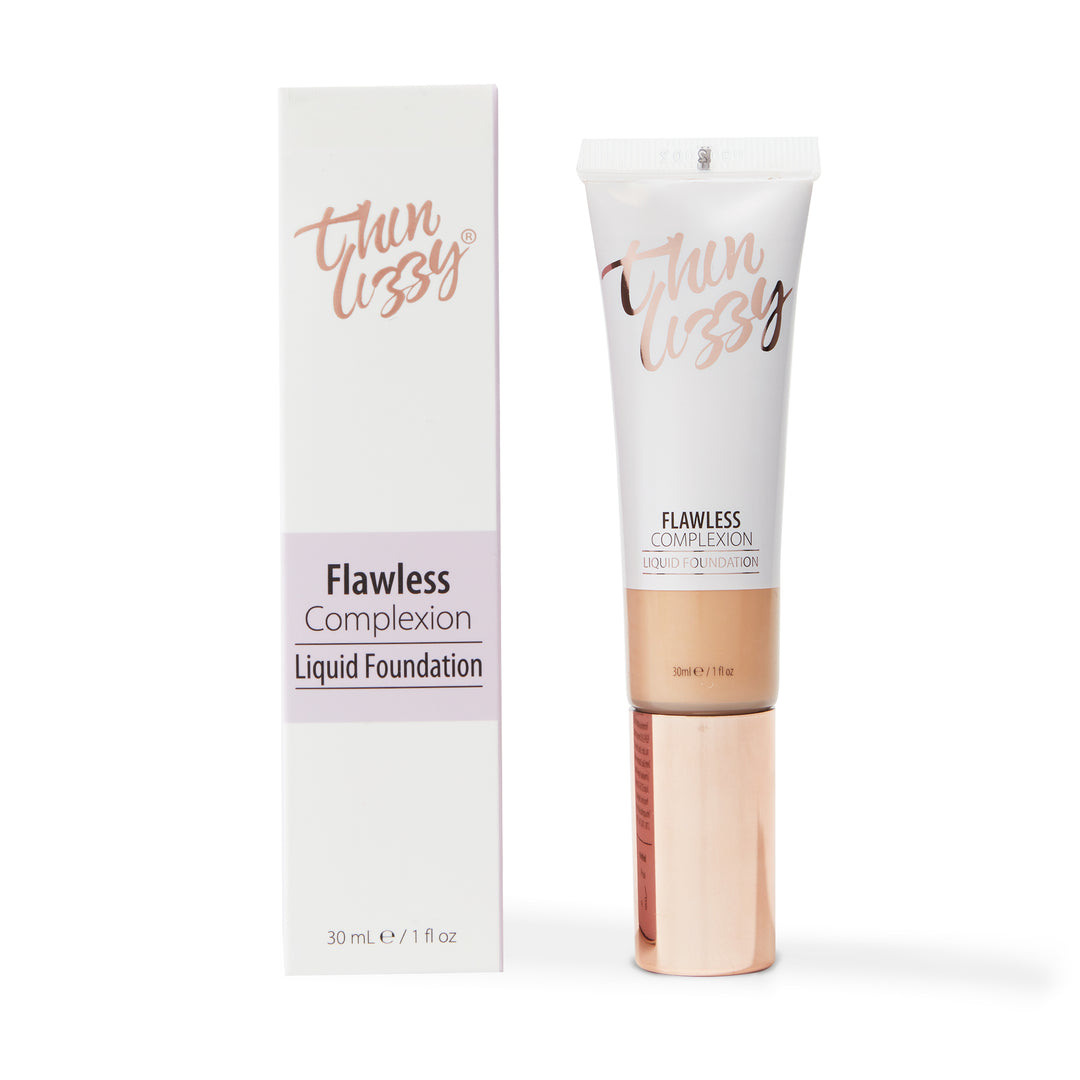
Thin Lizzy's primer range is organised around these different needs, so you can match the primer to the problem you're trying to solve rather than guessing. Start by identifying what your skin does that frustrates you, and let that lead the choice.
What Primer Won't Do
Setting honest expectations saves disappointment. Primer smooths the surface and helps makeup grip, but it isn't skincare and won't change your skin over time. It can visually soften the look of pores and lines while you're wearing it, but it doesn't shrink pores or erase wrinkles the effect washes off with your makeup. It also can't rescue a foundation that's wrong for your skin: a drying foundation over a hydrating primer still looks dry by afternoon. Think of primer as a bridge between good skincare and the right makeup, not a substitute for either. Used with that in mind, it's one of the most useful steps in a routine; expected to do more, it disappoints.
How to Apply Primer Properly
Primer only works if the timing and quantity are right. Apply it after moisturiser and this is the step people skip let both absorb for a minute before you go in with foundation. Primer over damp skincare, or foundation over damp primer, causes the patchiness it's meant to prevent. Use a small amount; primer is concentrated, and more doesn't mean better grip, it just means product balling up under your foundation. Smooth a thin layer over the areas that need it you don't have to prime the whole face if only your T-zone shines or only your cheeks show pores. Then give it that minute to set before foundation goes on top.
Common Primer Mistakes
A few habits stop primer working. Using too much is the most common a thick layer prevents foundation gripping and can pill as you blend. Not letting it set means foundation lifts it straight off. Matching the wrong type to your skin a mattifying primer on dry skin, or a heavily hydrating one on oily skin can make your original problem worse rather than better. And layering incompatible textures, like a very silicone-feeling primer under a water-based foundation, can cause pilling; if your makeup rolls into little bits, a texture clash is usually why. Keep it thin, keep it targeted, and let it settle.
How Long Does Primer Take to Learn?
If you've never used primer, the first few tries can feel like an extra step with no obvious payoff stick with it for a week before judging. Most people notice the difference not in the morning mirror but at the end of the day, when their makeup is still where they put it. Start with just the areas that give you trouble rather than the whole face, pay attention to the one-minute set time, and compare a primed day against an unprimed one honestly. Once you've seen your makeup survive a long day that it wouldn't have before, the step stops feeling optional. Like most makeup skills, it's quick to learn and mostly a matter of getting the quantity and timing right.
The Takeaway
The best makeup primer isn't a single product it's the one that targets what your skin actually does, whether that's shine, dryness, texture or fine lines. Name your problem, choose a primer that solves it from the primer range, apply it thin and let it set. Then make sure the rest of your base is working just as hard our guide on how to apply foundation covers the step that comes next.
Frequently Asked Questions
What is the best makeup primer for oily skin?
A mattifying primer designed to control shine and give makeup grip. It creates a drier, more resistant base that helps foundation stay put where oil would normally cause it to slide, and you can apply it just to the areas that get oily.
Do I really need a primer?
Not always. If your foundation applies smoothly and lasts your day, you can skip it. Primer earns its place when you have a specific problem sliding makeup, midday shine, pores or fine lines foundation settles into, or dry patches it clings to.
Which primer is best for mature skin?
A smoothing or blurring primer that hydrates and softens the look of fine lines, giving foundation a flexible base to move with. Heavily mattifying primers can emphasise texture on mature skin, so lean toward hydrating and smoothing instead.
Do you apply primer before or after moisturiser?
After moisturiser, before foundation. Let your moisturiser absorb first, apply a thin layer of primer, then give it a minute to set before foundation — that sequence is what lets each layer do its job.
