


Makeup Tips for Mature Skin: A Complete Guide for Women Over 50

At some point the makeup routine that served you for decades stops cooperating. Foundation that once sat beautifully starts settling into lines. Concealer creases where it never used to. The powder that set your face for years now seems to age you. Nothing about your skill has changed your skin has, and mature skin simply asks for a different approach. Drier, finer, less plump and more textured, it rewards techniques that work with those changes rather than against them.
This is a complete guide to makeup for mature skin: how to prep, what to change about foundation and concealer, the colour choices that flatter, and the small adjustments that make the difference between makeup that ages you and makeup that lifts you. None of it is about hiding your age it's about looking like the best, freshest version of yourself.
What Changes About Skin (and Why It Matters for Makeup)
Three shifts drive everything else. Mature skin produces less oil, so it's drier which is why matte, long-wear formulas that suited you at thirty now look parched. It's thinner and less plump, so fine lines and texture show more, and heavy product settles into them. And it can be more reactive than it once was, so simpler, gentler formulas often sit better. Once you understand those three changes, every tip below follows logically: add moisture, use less product, and choose flexible, hydrating formulas over heavy, drying ones.
Start with Skin Prep — It Matters More Than Ever
On mature skin, prep is the difference between makeup that glows and makeup that sits. Hydration is the priority: a good moisturiser, given time to absorb fully, plumps the surface so foundation glides instead of clinging to dry patches. Skipping this step, or rushing it, is behind most “my makeup looks cakey” complaints on mature skin. Take the extra minute, let skincare sink in, and you've solved half the problem before any makeup goes on. A hydrating primer can add another layer of smoothness where fine lines or pores show most.
Foundation: Less Is Genuinely More
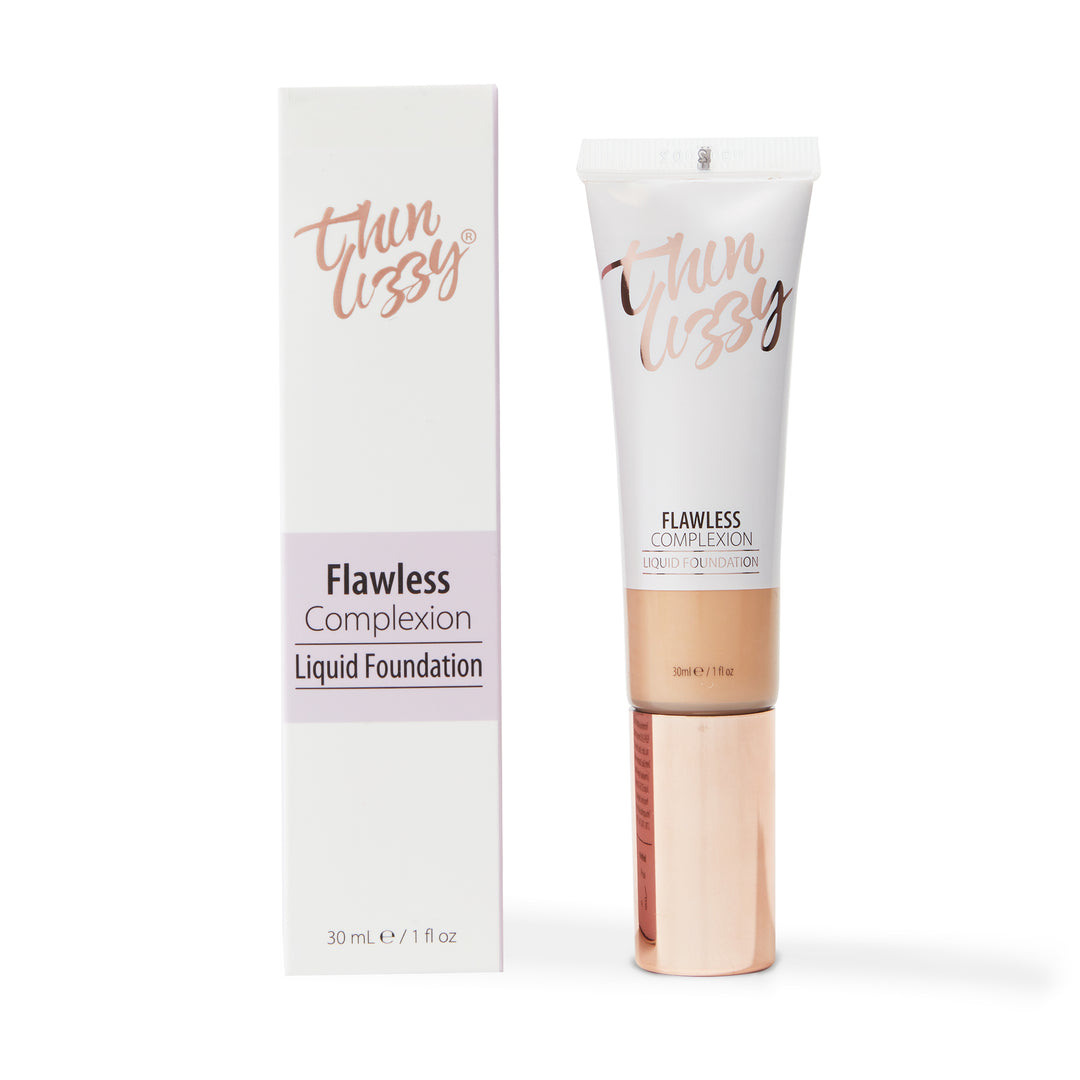
The instinct with ageing skin is often to reach for more coverage, but heavy foundation emphasises texture and lines rather than hiding them. Mature skin looks best in a lighter hand with a hydrating, dewy or natural finish that reflects light and reads as fresh, healthy skin. Apply thin layers with a damp sponge, which presses product in for a natural finish, and build coverage only where you actually need it usually around the nose and any redness leaving the rest sheer.
Dry, mature skin especially benefits from a hydrating formula rather than a matte one; our guide to the best foundation for dry skin covers exactly what to look for and how to stop foundation looking flaky. The principle to hold onto: a thin, hydrating base always flatters mature skin more than a thick, matte one, however tempting fuller coverage feels.
Concealer: Handle the Under-Eye with Care
The under-eye is where mature skin shows its hand, and it's where the wrong concealer does the most damage. Firm, drying formulas crease into every line; the answer is a creamy, flexible concealer applied sparingly and patted, never rubbed, into the skin. Match your shade closely and lean slightly warm to neutralise darkness rather than going lighter, which reads grey. Set only where you crease, and barely. Our full guide to the best concealer for mature skin walks through the creasing-free technique in detail it's the single biggest win available for a fresher-looking finish.
Setting: A Light Hand Is Everything
Powder is where mature-skin routines most often go wrong. The urge to set everything for longevity backfires: a full coat of powder over dry, textured skin creates exactly the papery, aged look you're trying to avoid. Set surgically instead the barest touch only where you personally crease or shine, usually a small area around the nose and inner under-eye, and nothing over the cheeks. On dry days, skip powder around the eyes entirely and let a flexible cream formula stay flexible. Less powder, placed precisely, keeps skin looking like skin.
Colour: Soft, Warm and Fresh
Colour choices shift with mature skin, and small changes flatter enormously. On the cheeks, cream blush often looks more natural than powder, melting into the skin for a dewy glow rather than sitting on texture, and applied a touch higher it lifts the face. Keep the shade soft a gentle flush reads as healthy, where heavy colour looks harsh. For lips, hydrating formulas suit mature skin better than drying mattes, and a slightly fuller, cared-for lip looks youthful. Across the face, warm, soft tones tend to flatter more than cool, stark ones as skin matures.
Eyes and Brows: Adjusting for Change
Two changes are worth planning for. Eyelids often become more hooded with age, so heavy dark shadow in the crease can close the eye down softer, lighter application and blending upward and outward keeps the eye open and lifted. And brows tend to thin over time; gently filling sparse areas frames the face and, done softly, takes years off, since full brows read as youthful. Keep both natural: the goal is definition, not drama.

Lighting, Mirrors and Checking Your Work
One overlooked habit makes a real difference on mature skin: where you apply and check your makeup. Bathroom lighting is often warm and flattering, which hides both heaviness and any product settling into lines so makeup that looks perfect at the mirror can look quite different in daylight. Apply near a window where you can, and always do a final check in natural light before you leave, ideally with a hand mirror held at arm's length rather than pressed close. Mature skin shows quantity more than younger skin does, so this daylight check is your best defence against the two most common issues — too much foundation and powder settling into fine lines catching them while they're still easy to press out and blend away.
The Mistakes That Add Years
A handful of habits work against mature skin, and avoiding them matters more than any single product. Too much foundation emphasises texture. Too much powder dries and ages. Concealer that's too light turns grey. Matte, long-wear formulas parch already-dry skin. Skipping hydration in prep undoes everything after it. And heavy, dark eye makeup in a hooded crease closes the eye. Notice the theme almost every mistake is about too much or too dry. Lighter, more hydrated, more targeted is the direction that flatters, every time.
A Simple Mature-Skin Routine, Start to Finish
Pulling it together: cleanse and moisturise, letting it fully absorb. Add a hydrating primer where you need smoothing. Apply a thin, hydrating foundation with a damp sponge, building only where needed. Pat a creamy concealer under the eyes and over any redness, sparingly. Set only where you crease or shine, lightly. Add a soft cream blush high on the cheeks, fill the brows gently, and keep the eyes soft and lifted. Finish with a hydrating lip. The whole routine is built on the same idea from start to end add moisture, use less, and let your skin show through. That's what looks fresh at any age, and especially past fifty.
The Takeaway
Makeup for mature skin isn't a different craft it's the same craft with the dial turned toward moisture and restraint. Prep well, go lighter on everything, choose flexible hydrating formulas, and place colour softly. Start with the two steps that make the biggest difference: the best foundation for dry skin for a fresh base, and the best concealer for mature skin for a smooth, crease-free under-eye. Get those right and everything else follows.
Frequently Asked Questions
What foundation is best for mature skin over 50?
A hydrating foundation with a dewy or natural finish, applied thin and built only where needed. Matte, long-wear formulas tend to emphasise dryness and fine lines on mature skin, so lean toward hydration and a lighter hand.
How do I stop concealer creasing on mature skin?
Use a creamy, flexible formula, apply less than you think, pat rather than rub, and set only the small area where you actually crease. Most creasing is caused by too much product and too little prep rather than the concealer itself.
Should older women wear powder?
Yes, but sparingly and precisely a light touch only where you crease or shine, never an all-over coat. Powdering the whole face dries mature skin and emphasises texture, which is the opposite of what flatters.
What makeup makes you look younger over 50?
Hydrated skin, a thin dewy base, softly filled brows, a soft cream blush placed high on the cheek, and a light hand with powder. The consistent theme is moisture and restraint — heavy, dry, matte makeup tends to add years, while fresh and luminous takes them off.
