


How to Get Rid of Dark Circles: What Works & What's Best Concealed

Dark circles have a way of announcing themselves at the worst moments in the rear-view mirror, on a video call, in photos where everyone else looks rested. And the internet's answer is usually a parade of miracle cures that quietly ignore an important truth: dark circles have several different causes, and what helps depends entirely on which kind you have. Some genuinely improve with the right habits. Others are structural, and the smartest thing you can do is conceal them brilliantly.
This guide walks through the causes, the fixes that are actually worth your time, and the concealing technique that makes tired eyes look bright in under a minute.
First, Work Out Which Kind You Have
Not all dark circles are the same colour problem. Bluish or purplish circles usually come from blood vessels showing through the thin skin under the eyes this type often looks worse when you're tired, dehydrated or congested. Brownish circles are pigmentation in the skin itself, more common in deeper skin tones and often worsened by sun exposure and rubbing. And some “dark circles” aren't discolouration at all they're shadows cast by the natural hollow under the eye, which deepens with age as the face loses volume.
A simple mirror test helps: gently stretch the under-eye skin sideways. If the darkness fades, you're mostly looking at shadow from skin laxity. If it stays put, pigment or visible vessels are doing the work. Tilt your chin up under an overhead light if the darkness largely disappears, shadow is a big part of your picture. Most people, especially past forty, have a blend of more than one type.
What Actually Causes Dark Circles
Genetics lead the list if your parents had them, you likely will too, and no cream rewrites that. Ageing plays a major role: the skin under the eyes is the thinnest on the body, and it thins further over time, letting vessels show through while the under-eye hollow deepens. Beyond that, the usual suspects each contribute a little: short or broken sleep makes skin paler and vessels more visible, allergies and hay fever inflame the area (and the rubbing they trigger darkens pigment over time), dehydration makes the hollow look more sunken, sun exposure deepens pigmentation, and screen-heavy days add eye strain and puffiness to the mix.
What Genuinely Helps
A quick expectation-setter before the list: give any change a few consistent weeks before judging it. The under-eye responds slowly, and the habits below compound rather than transform overnight.
1. Protect the area from sun
If your circles are pigment-based, daily sun protection is the single most useful habit UV exposure deepens under-eye pigmentation the same way it darkens the rest of your face. Sunglasses, a hat and daily SPF around the eye area prevent the problem compounding, which matters everywhere but especially under the Australian sun.
2. Take allergies seriously
If your circles flare in spring, itch, or arrive with a stuffy nose, hay fever may be the quiet culprit. Managing allergies and, crucially, breaking the eye-rubbing habit addresses both the inflammation and the friction-darkening that comes with it. A pharmacist is a good first stop for options.
3. Sleep and hydration — boring but real
Neither will erase structural circles, but poor sleep and dehydration reliably make every type look worse. Consistent sleep, decent water intake and going easy on alcohol and salt in the evening keep the under-eye area from starting each day at a disadvantage. Sleeping with your head slightly elevated also helps overnight fluid drain rather than pool.
4. Cool the area in the morning
A cold compress, chilled spoons or a refrigerated eye product for a few minutes constricts vessels and moves fluid on — a genuinely useful trick for the bluish, vessel-based type and for morning puffiness that casts extra shadow.
5. Keep the skin supported
Thin, dry under-eye skin shows everything more. A gentle eye-area moisturiser, applied with your ring finger and no dragging, keeps the skin plump and resilient. Be patient and consistent rather than chasing overnight promises and if pigmentation is severe or bothering you, a GP or dermatologist can talk through professional options.

The Honest Part: Some Circles Are Best Concealed
Here's what the miracle-cure articles won't say: if your dark circles are genetic, structural or age-related shadow, no habit fully removes them and that's not a failure, it's anatomy. The good news is that concealing dark circles well is a two-minute skill, and the result is often more dramatic than months of hopeful creams.
This is exactly what Thin Lizzy's Age Reverse Concealer was built for. It's a full-coverage under-eye concealer designed to last all day without caking or creasing, with a creamy, blendable formula and a soft cushion-tip applicator that pats product on without dragging the delicate skin. It's formulated with 2% HALOXYL, an ingredient that helps improve the appearance of skin elasticity under the eyes and in ingredient testing cited by the brand, a majority of participants saw visible results with regular use over eight weeks. It comes in eight shades, so you can match rather than mask.
For deep brown pigmentation that a standard concealer won't fully cover, Concealer Crème is the heavier artillery a buildable formula made to cover everything from redness and dark circles to birthmarks and full-colour tattoos, without caking or discolouring through the day.
How to Conceal Dark Circles So They Stay Hidden
Technique matters as much as product. Start with a thin layer of eye moisturiser and let it settle for a minute hydrated skin holds concealer better. Apply concealer in a shallow triangle from the inner corner down toward the cheek rather than a stripe along the circle; this lifts the whole area instead of highlighting the crease line. Use small dots and pat never rub with the applicator or your ring finger, building thin layers only where darkness remains. If your circles lean strongly blue or brown, choose a slightly warm, peach-toned shade to neutralise rather than a shade lighter than your skin, which can turn grey over darkness. Finish with the lightest touch of powder only where you crease, and stop there more product is the enemy of a natural finish.
Makeup Habits That Make Circles Look Worse
A few common habits quietly deepen the problem they're meant to solve. Heavy powder under the eyes settles into fine lines and casts micro-shadows that read as extra darkness by afternoon. Rubbing concealer in rather than patting tugs the thinnest skin on your face twice a day, and friction is one of the ways under-eye pigment darkens over time. Sleeping in eye makeup leaves residue that irritates the area overnight, and aggressive removal compounds it; hold a soaked pad against closed eyes for a few seconds and let the remover do the work instead. None of these changes is dramatic on its own, but together they decide whether your under-eyes are being covered or being worn down.
When Dark Circles Deserve a Professional Look
Occasionally, under-eye changes are worth a conversation with your GP: circles that appear suddenly, swelling that doesn't settle, darkness accompanied by persistent fatigue or other symptoms, or one-sided changes. These are usually nothing serious, but the under-eye area can reflect things like allergies, iron levels and thyroid function and a short appointment beats months of wondering.
Frequently Asked Questions
Can dark circles go away permanently?
It depends on the cause. Lifestyle-driven darkness (sleep, dehydration, allergies) improves when the cause is managed. Genetic pigmentation and age-related shadow can be softened but rarely disappear — which is why a good concealer earns a permanent place in the routine.
Why are my dark circles worse some mornings?
Overnight fluid pooling, salty or late dinners, alcohol, poor sleep and allergy flares all make the area puffier and duller by morning. Elevating your head slightly, cooling the area on waking and easing off evening salt usually flattens the worst mornings.
What colour concealer covers dark circles best?
A shade close to your skin tone with a warm, peachy undertone neutralises blue and brown darkness most effectively. Very light concealers over dark circles tend to read grey — match first, brighten second.
Do I conceal before or after foundation?
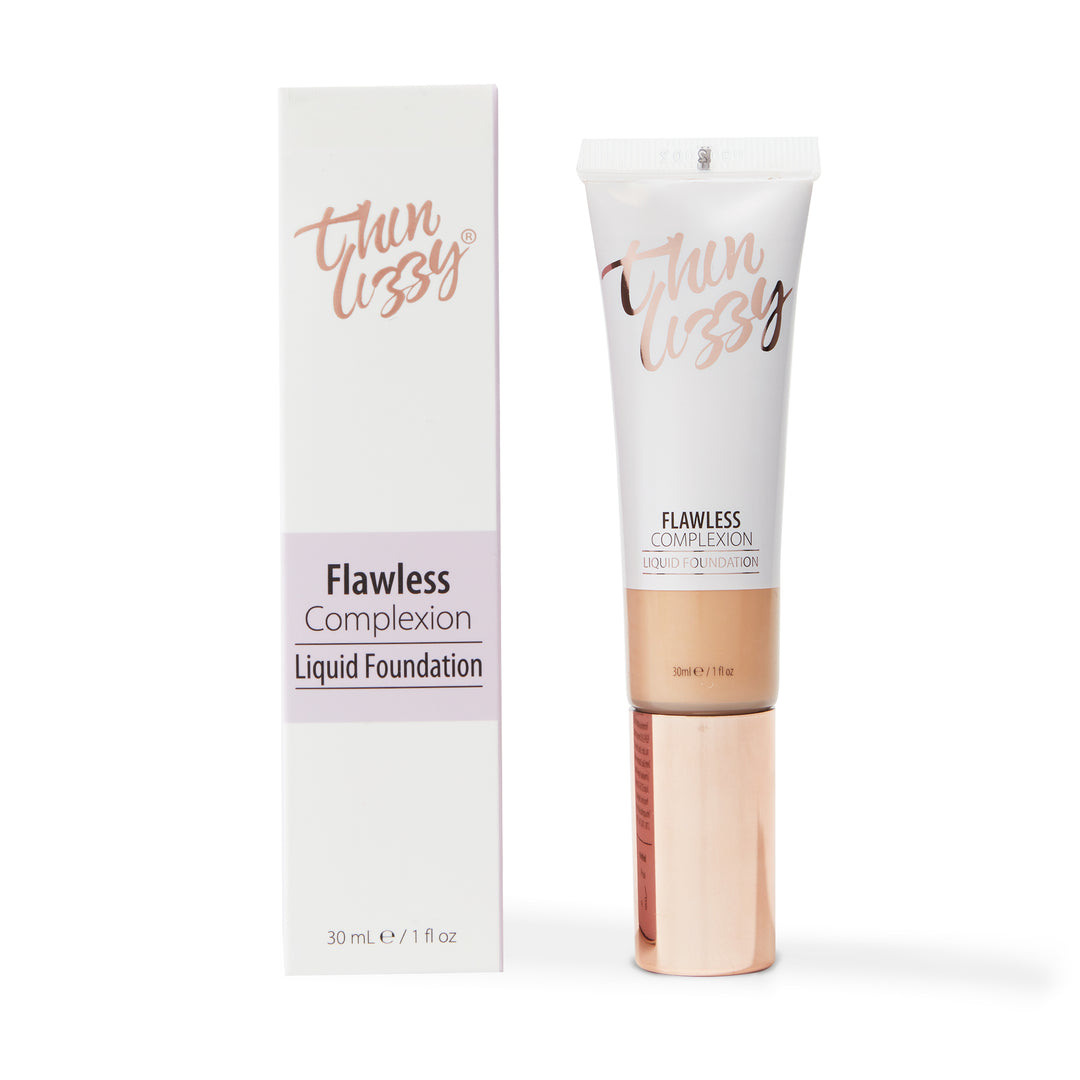
Foundation first is the usual order it evens most of the area on its own, so you need far less concealer and only where darkness still shows. Less product means less creasing, which matters most on the under-eye.
The Takeaway
Figure out your type, fix the fixable sun, sleep, allergies, hydration and conceal the rest without apology. With the Age Reverse Concealer for everyday brightening and Concealer Crème for stubborn pigment, tired-looking eyes become a two-minute fix rather than a daily frustration. You'll find everything for the area in the puffy eyes and dark circles collection.
